
Next Fest has come to a close and with it the opportunity to get a glimpse into the releases that may shape the future of the industry. This was my first time delving deep into the demos provided and I must say that, over the week, I had a blast. Exploring over thirty upcoming titles, I was almost sick of playing new games by the time the week was over.
*Almost*
If given the chance, I’d continue perusing for more hidden treasures. There was clearly much more to see as I’ve seen discussions online about games that completely passed by me. The week was fruitful one as I uncovered a few gems that I hope to check out once they’re fully releases. This list is nowhere near an exhaustive list, merely a countdown of the best I uncovered, based on how likely I am to buy the them.
5. Pepper Grinder
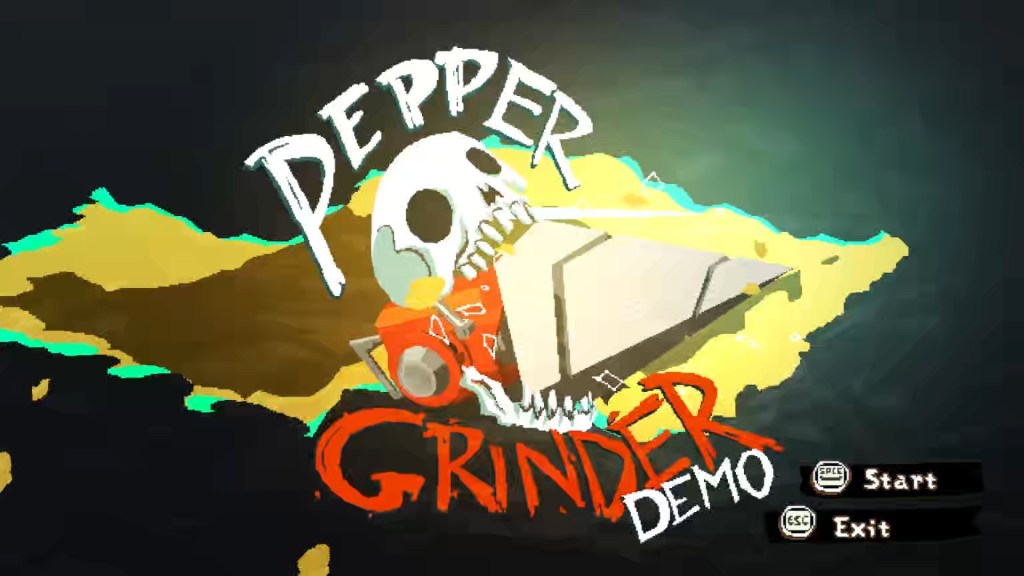
Bright and vibrant in its aesthetics, this fast-paced platformer was easy on the eyes and even easier on the controls. You play as the eponymous Pepper, a pirate robbed of her treasure and armed with a magical drill… for some reason.
Travelling acros the island, in a bid to regain your lost booty, was a blast. The movement mechanics feel incredibly fluid as you bore through the terrain like one of Dune’s sand worms. A momentum-based movement system allows you to jump seamlessly between patches of ground and a boost can practically make you soar through the air (admittedly less like a sand worm). Overall, it creates a feeling of skillful agility as you glide through the level, even if the mechanics behind it are relatively simple.
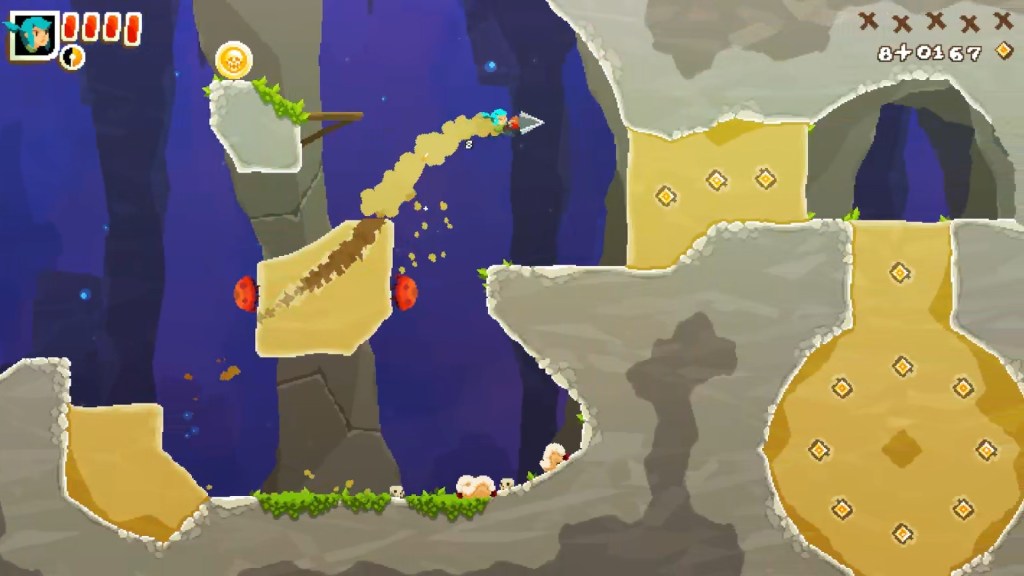
That being said, I found myself finding the setting a little hollow. There was little in the way of dialogue or context beyond the initial cutscene. There are plenty of gemstones and coins to collect throughout the levels, but they can only be used to purchase stickers for a photo mode that feels like an after thought. Moment to moment I was having fun but there was little driving me to keep playing other than the incredibly satisfying gameplay.
4. Deathbound
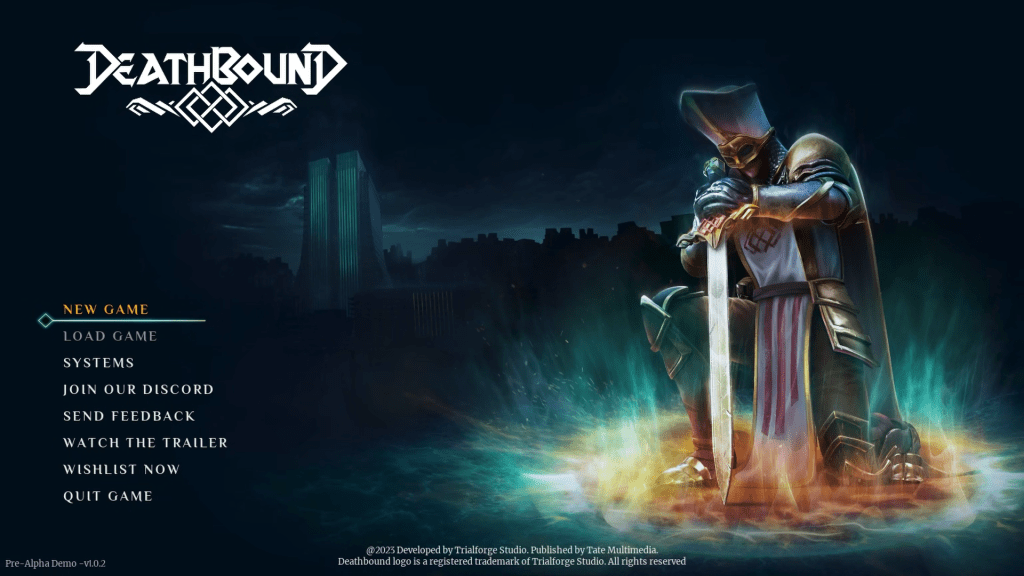
A souls-like, Deathbound stuck me with it’s unique approach to character. Rather than have one character that you customise, you play as a conglomeration of different souls, and can freely switch between four of them at the touch of a button. Each character fills a pretty archetypal niche: a brutish warrior smashing foes with a two handed axe, a mage wielding the powers of flame, a rogue making pinpoint strikes with dagger and crossbow. Having the ability to completely change playstyle in the middle of combat was a fascinating mechanic and the game encourages you to dart between personas mirroring the ebb and flow of combat.
From the single location I saw, the setting design seems fairly standard, a layered, favela-like city of sharp edges and neon blue. Nothing breathtaking, but it nails the typical souls-like depressive environs filled with haggard and bizarre foes. Additionally, each character seems to come with its own personality and history to further flesh out the world.
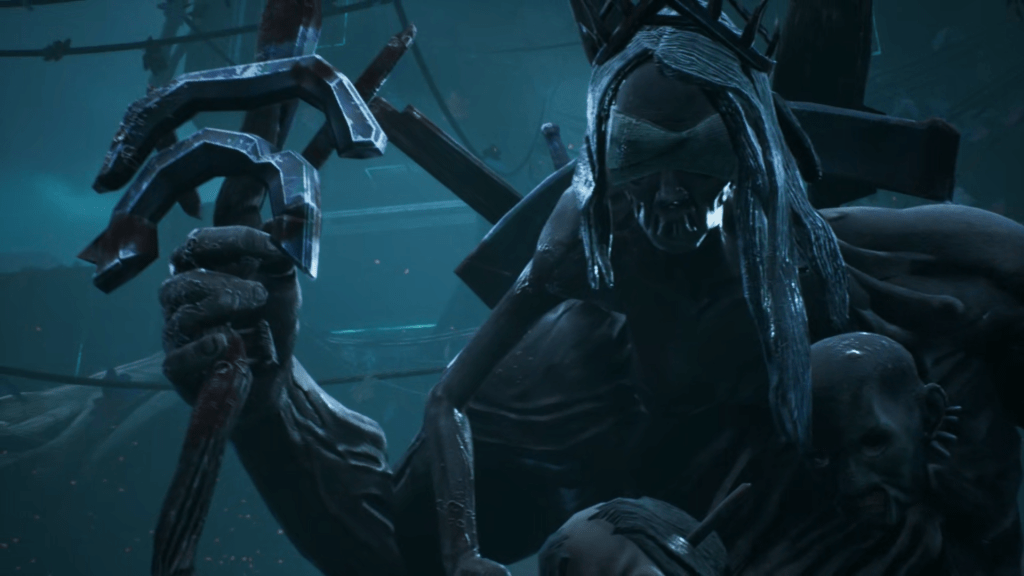
With portentious sounding boss names like ‘Impending Truth’, Deathbound wears its influences plainly on its sleeve, but its unique twist to formula definitely warrants giving it a gander once it has released.
3. Godsworn
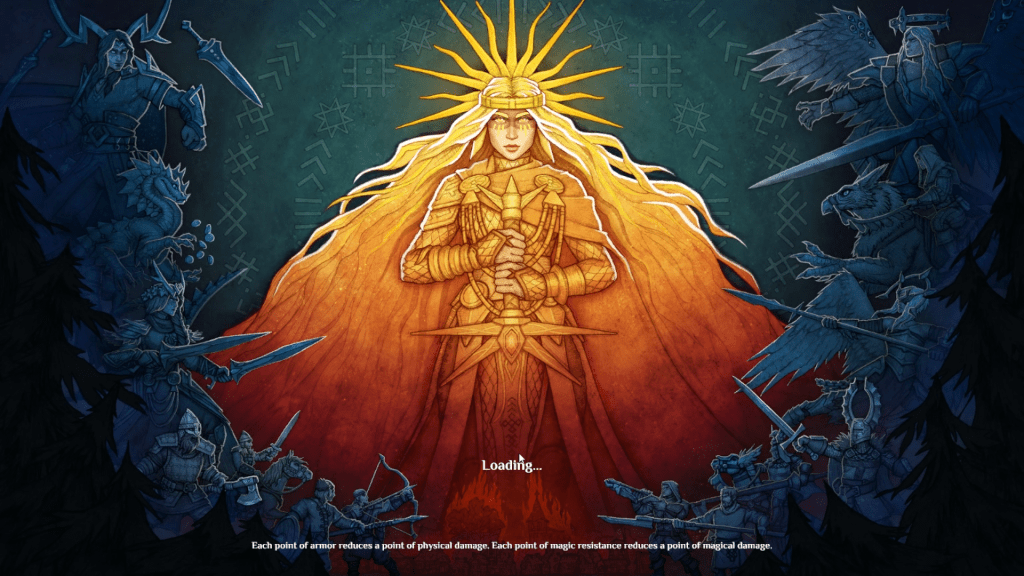
**As a little bit of context, the MOBA genre (League of Legends, Dota 2, etc.) first started life as a mod for the RTS Warcraft 3 **
Godsworn feels like an RTS (Real Time Strategy) looking to inject modernity into the space, bclosing the loop by incorporating MOBA mechanics into the genre. The biggest influence is the powerful hero units granted to each faction, each with an array of activation abilities to help turn the tide in your favour. These heroes mean that early rush tactics aren’t overly powerful, leading to longer, more strategic, games. The early game feels like lane-ing in a MOBA, gradually building up small advantages in order to snowball your opponent in the lategame.
The problem is that gods in question seem to be depressingly standard (although the demo only showcased two of them). One was a nature goddess, complete with celtic vibes, who focused on healing and light. The other, an edgy trickster, dual wielding daggers with a focus on ambushes. There’s nothing revolutionary about them, or its chunky fantasy aesthetic, but what I saw contained enough to keep me entertained and intrigued to explore the whole game. This was the only game I returned to during the week, so it must be doing something right.
2. Harold Halibut
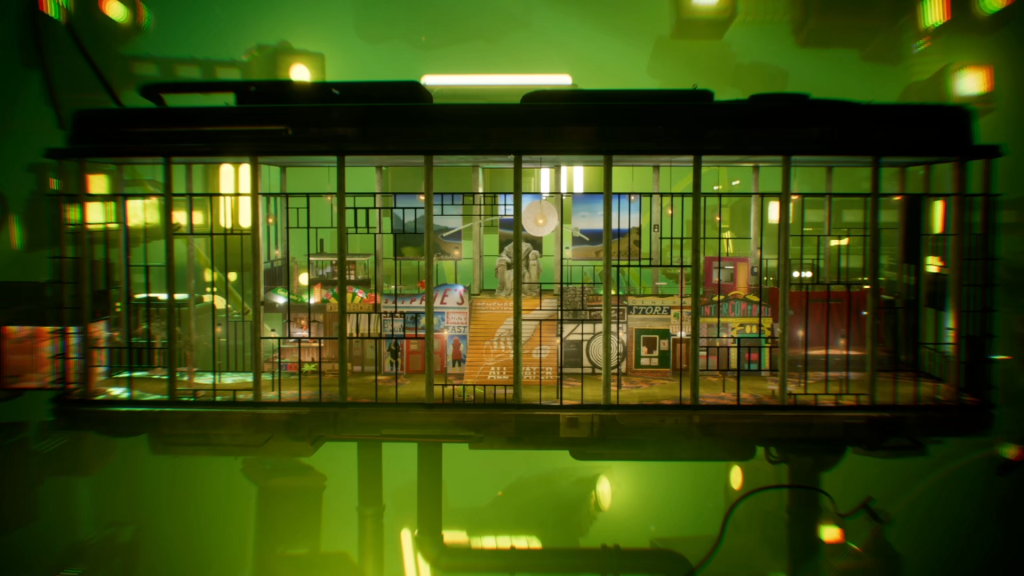
Probably the most obvious inclusion on this list and I think one that we are going to be seeing a lot more, as it’s got artsy indie darling written all over it. Harold Halibut is a story-driven game featuring a gorgeous claymation-styled art direction, that has apparently been in the works for over a decade! All of the character models have been sculpted and animated by hand and the love and care that has gone into each is staggering. There’s also lavish attention paid to the camera positioning, giving carefully curated cinamatography that make for delightful stills.
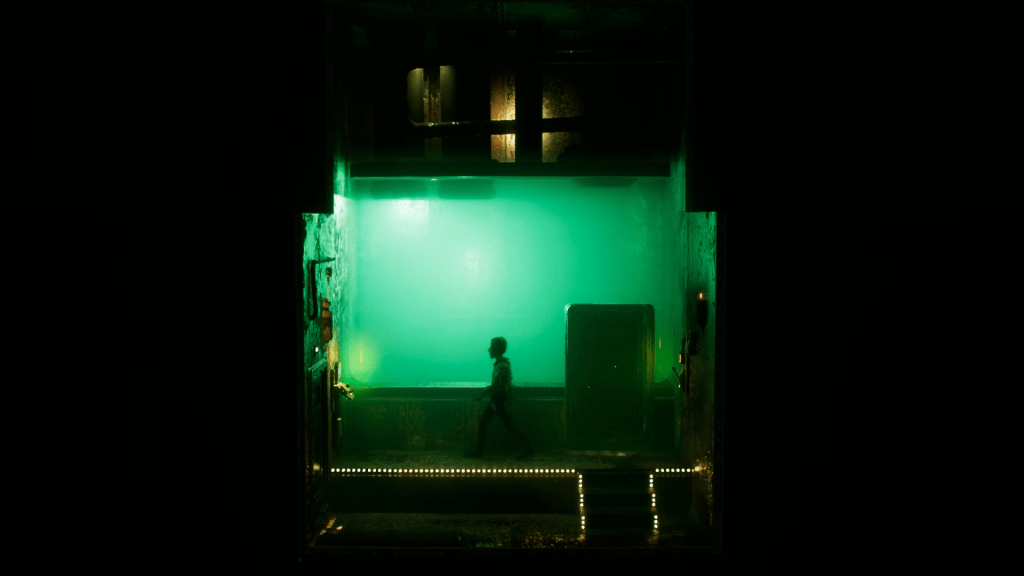
Aesthetic as it may be, the gameplay is a little wooden. Mostly I was walking from point A to point B and conversing with the inhabitats of the subaquatic station Harold calls home. Here, the style does a lot of the heavy lifting. I didn’t mind spending a little bit of extra time in the locations since they were such a joy to look at.
From the hour or two that served as the demo, there is some sort of deeper mystery at play, govermental cover ups, secret radio broadcasts, and a mysterious clandestine group. This last organisation seemed to be an established part of the setting, spoken about with some familiarity but, by the end of the demo, I was still unsure as to who they were. It seems the central narrative will focus on this group, so the demo’s cliff-hanger fell a little flat.
1. Breachway
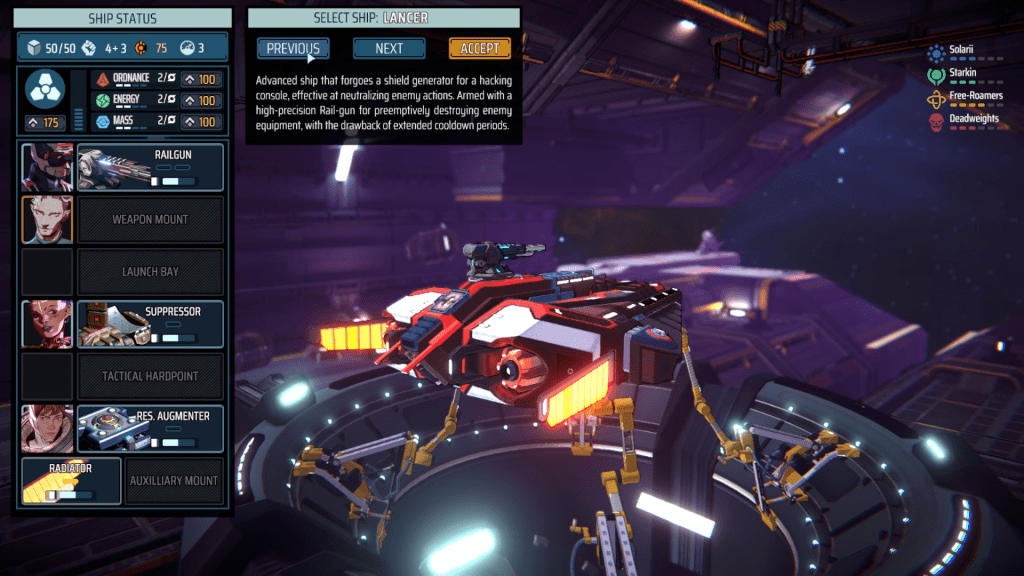
Breachway is a rogue-like where you captain a small spacecraft, making it’s way through dangerous space, all whilst trying to avoid the machinations of the dominant galactic power. Making your way through the galaxy requires you to make tough decisions in text-based scenarios, as well as surviving a gauntlet of space ship dogfights. In short, it’s FTL by way of Slay the Spire.
What made Breachway stand out was the mechanics by which all this occurs game play. Combat is deck-based, where the different modules on your vessel give you access to different cards. A shield generator gives you cards that can block damage, whilst a hacking station gives you the ability to disrupt an enemies systems. It provides a very robust system to tinker with, providing multiple options to create different builds. After each encounter you get the opportunity to upgrade your ships systems, granting access to new more powerful cards or smaller modules to grant little boosts.

Besides the combat mechanics, there was a much greater focus on story elements than I was expecting, making the random nature of a rogue-like seem a little less chaotic. A morale system means that you have to factor in your crews opinions into a scenario, not just the costs to your resources. Additionally, your crew have dialogue, breathing life into the striking character art. Giving faces to your crew creates an air of tension, as failure not only means the end of a run but a tragic end for the people aboard.
There’s nothing to Breachway that hasn’t been seen else where, but it’s novel and deftly handled concoction makes for a unique blend that left me excited to see more.
I could go on about the games I encountered during Next Fest but these were the ones that stood out enough for me to consider giving them a wishlist. If any of these sounded intriguing keep an eye on this space and I’ll hopefully be able to provide some more in-depth reviews once the full games have released.




 Elimbwrites.com