I want to reccommend it, I really do, but your mileage may vary depending on how much patience you have for frustration.
Three months after its release, one RPG is still making waves. A game so expansive and detailed, it inspired rumours that Larian were being sued for making the game too good. Baldur’s Gate 3 has become the must play RPG of the year, a massive hit with critics and gamers alike for it’s stellar writing and incredibly nuanced branching narrative. On top of that, it looks stunning and has achieved the impressive feat of turning the rules of 5th Edition Dungeons and Dragons into a robust CRPG system. If you’re a fan of the genre, you’re almost guarenteed to fall in love.
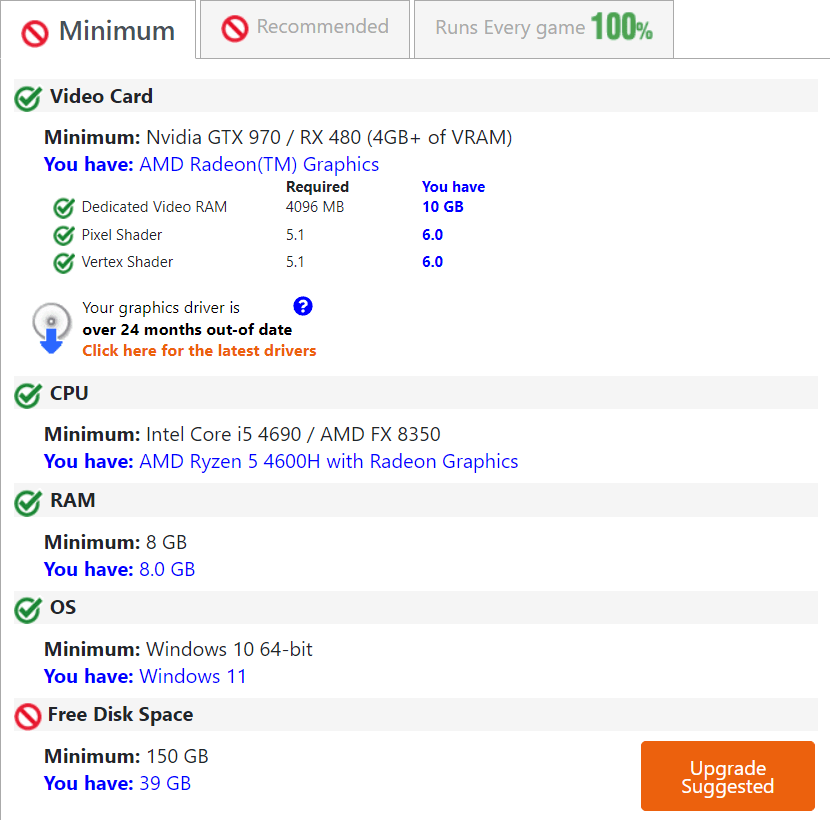
With a laptop that has all the power needed but can’t fit the masses of content into its brain, I find myself at a loss. To make matter’s worse, the realease of the Xbox One version, my other gaming system, has been delayed until the end of 2023. Finding myself at a lose end, with an adventurous itch to scratch, the only logical thing to do was boot up the Enhanced Edition of the original Baldur’s Gate, first released in 1998.
1. The Visuals
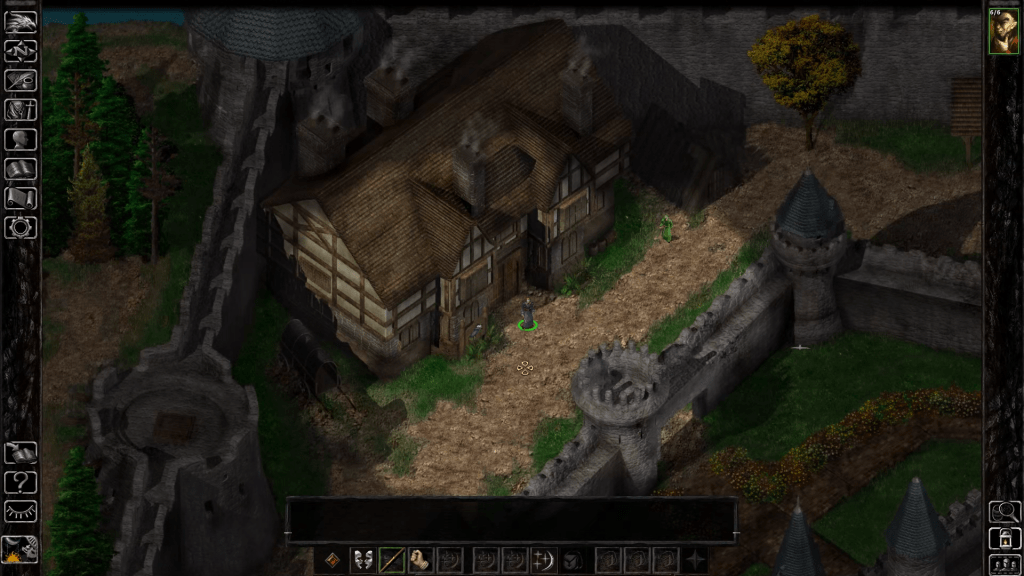
Loading into a new playthrough, it is immediately apparent that this is an old game. The pre-rendered backgrounds shackle the gameplay to it tome, but there is still loads to love. Care has clearly been taken with the maps, as they feel like genuine locations. The muted colour schemes do a lot to create a sense of tone, which makes the brighter elements much more interesting by comparrison. The Sword Coast is filled with the fantastical but also a slew of dangers and peeling back the fog of war effectively simulates exploring this dangerous terrain. The constant anticipation of what lies around the next bend, be it friend or foe, drives the gameplay.
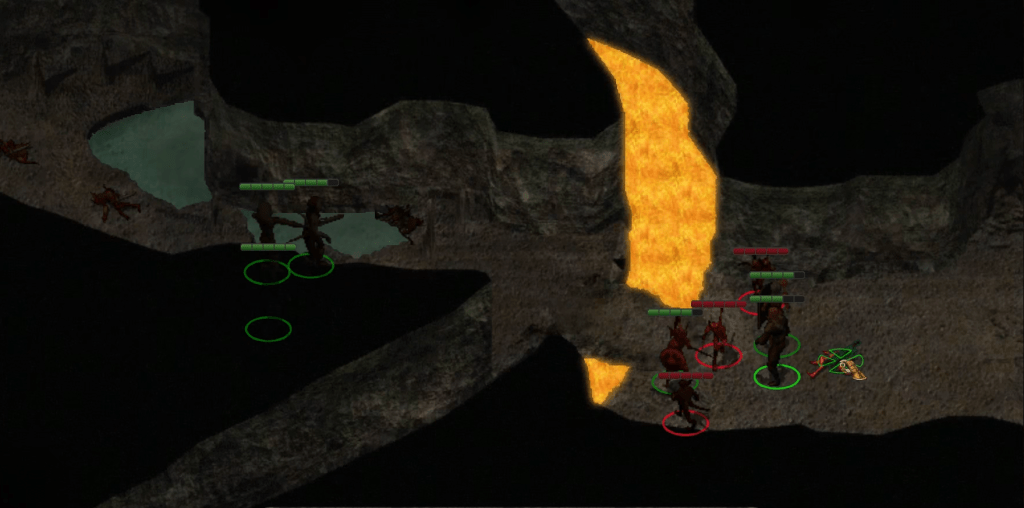
A few niggles stand out when looking back from a modern audience. Backgrounds lack a clarity that can make navigation a hassle. It can be difficult to tell what’s path and what’s cliff, due to some loer resolutions. My main gripe is that Bioware didn’t do more with the talent at their disposal. Many of the wilderness maps are litte more than craggy woodlands and after a while it begins to all feel a little samey.
Then there’s the character models. While there’s a certain chunky charm to them (hobgoblins look like, giant teddy bears as they lumber towards you) there is very little to differentiate one individual from another, and unfortunately, that includes party members. In Baldur’s Gate, character’s don’t have bespoke models, instead they are palate swaps of a gender and race combo. Armour and weapons can obsure these different colours making it difficult to tell my human fighter from my half-elven druid. This leads to more than a few frustrating moments in combat where a frail caster goes gone charging into the front lines, to their death.
2. The Companions
There are A LOT of companions of varying skill sets, moral alignments and attitudes. This goves you a lot of flexibilty regarding your six person party and lends the game a lot of replayabilty. A team of heroic adventurers will have a different skillset to a more villainous group and each will have to approach the game in different ways.
When compared to modern RPGs, everything is left to the player’s imagination. Without unique character models, only their portraits provide a glimpse into their appeareance, and a limited selection of voice lines are all you get for their personality. Be warned, you will have heard them all within the first couple of hours. The writing itself presents over the top archetypes rather than nuanced people, but there is some entertainment to be had from characters such as the cowardly soldier, or the nihilistic wizard just waiting for you to fail.
The different character classes highlight some more archaic design decisions, and they don’t feel like like they have unifying mechanics. Sorcerers and Wizards are both spell casters, but they both gain access to more powerful spells at different levels and while a wizard use their intelligence to power their spells, sorcerers don’t use any abilty. This makes classes feel lopsided, like they could be from different games.
3. The Difficulty
From the moment you leave safety of Candlekeep’s walls, the games unflinching difficulty comes to the forefront. Low leveled characters have very little in the way of hit points so early encounters can boil down to RNG. It takes an obscene amount of experiecne to reach each level so there will be a metric tonne of potential casualties.
Take the first dungeon, which is filled with kobolds, one of the weakest enemies in the game. These little buggers can outright kill squishier characters if they roll high. Hell, I had one that crit my 2nd level rogue and she went from full health to dead as I blinked. Baldur’s Gate is a game that rewards caution, alongside slamming the quick save after every fight.
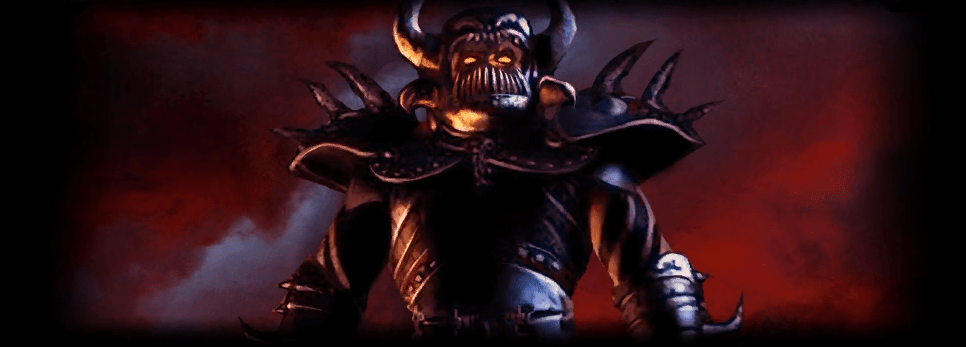
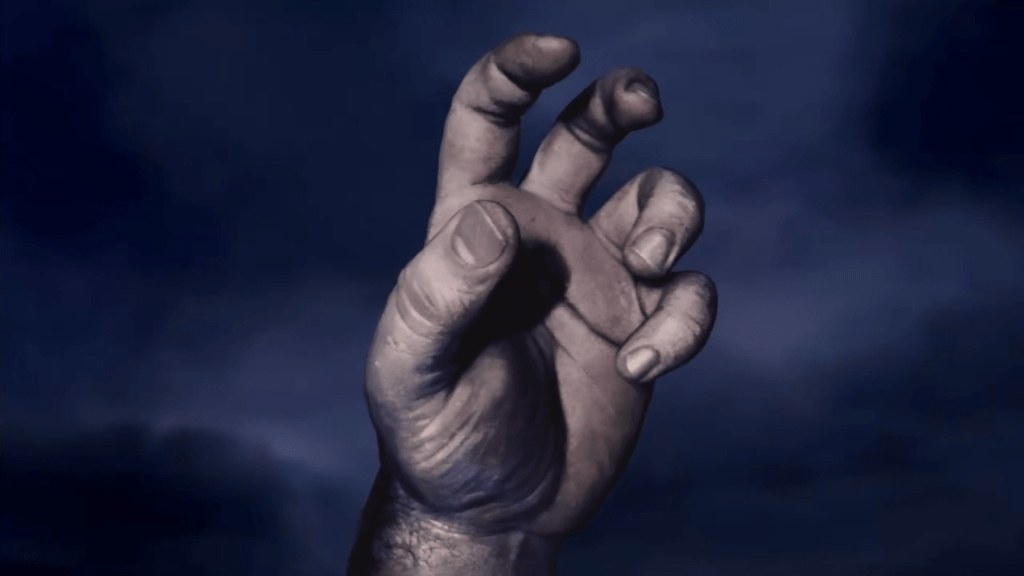
At later levels you have more health, but then foes have acess to some powerful spells and the combat instead shifts to a frantic casting of debuffs and crossed fingers. A few bad rolls and suddenly half your party is crowd controlled and the other half is nearly dead. This is a game that requires a lot of knowledge to negate its challenge and it’s painfully opaque about how its systems work. At least the game over screen looks cool.
Baldur’s Gate 3 uses the modern 5th edition rules, a streamlined version of the game designed to be welcoming to newcomers and veterens alike. Baldur’s Gate is based off of the 2nd edition rules which has some esoteric and frankly baffling decisions. Only allowing certain race and class combinations, and of course THACO. To those who don’t know, THACO stands for To Hit Armour Class Zero, this is what a character has to roll to hit an opponent with this armour class (quite high, as lower is better). Why this was counterintuitive system was deemed the best way to handle thing I don’t know. Fortunately, all the maths are handled for you but it still leads to an adjustment period as you open the game for the first time and stare perplexct at all of the games stats, and jargon. I’m still not sure quite what half the stats do.
4. The Story
I’m going on record here saying that I think a lot of Bioware’s reputation is over blown. I love the original Dragon Age game, but their plots are fairly standard. Later iterations present fun and interesting characters to adventure alongside, but here Bioware haven’t quite hit their stride.
In Baldur’s Gate, your character is an orphan with a mysteriously unknown background and it quickly becomes clear that someone wants you dead. It’s a bit of a tired trope at this point, but Baldur’s gate somehow pulls it off without it feeling aggregious. After your foster father is murdered and you’re left to fend for yourself, you gather a couple allies and set about fixing the problems that currently plague the region. Very standard faire for a fantasy R.P.G. What drags it down is the way in which this just happens to circle back to your mysterious history.
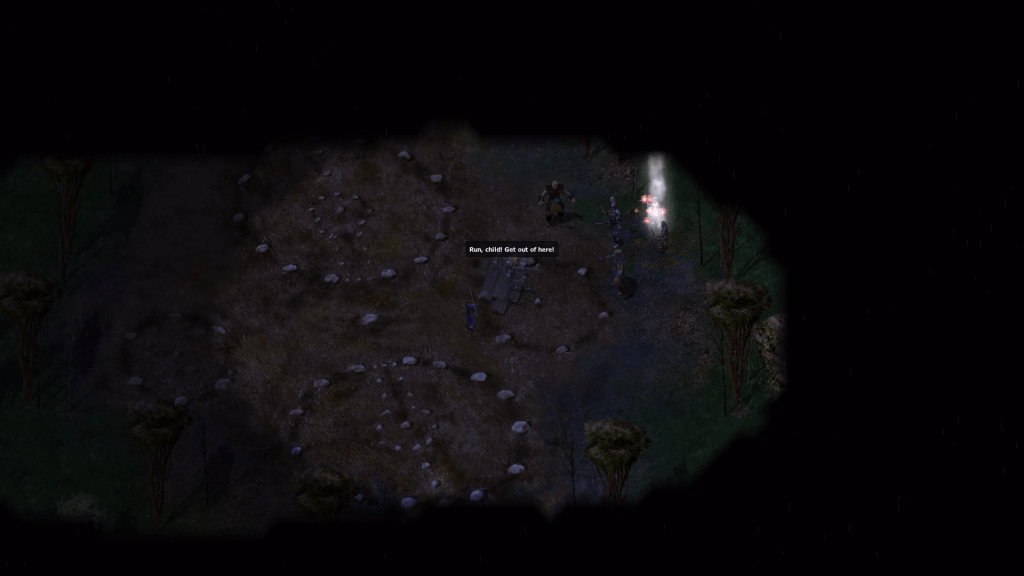
It’s not a question of realism – that the two major local events are interlinked makes sense, its that its too convenient. As the plot progresses, you just happen to stumble upon the answers you seek rather than actively seeking the truth. In fact, the only reason to investigate the mines over the other numerous side quests is the game’s less than subtle signposting that that is where you need to go.
5. The Verdict
Overall, Baldur’s Gate is a slog, which make it difficulty for me to review it positively. I want to reccommend it, I really do, but your mileage may vary depending on how much patience you have for frustration. If you’re willing to invest the time to delve into the depths, there is something worth experiencing but, while penning my thoughts, I’ve been considering whether I’d ever revisit Baldur’s Gate in the future. Probably not, but I don’t regret journey. Although I own the second game, I do think I might be skipping it in favour of the third installment.



 Elimbwrites.com
Leave a comment